Your People Keep Leaving? Let’s Fix That.
Build a Culture Where People Want to Stay and Grow
Culture change isn’t about checking boxes—it’s about creating workplaces where people feel valued and supported to do their best work. I partner with organizations to reduce turnover, strengthen leadership, and build practices that make success sustainable.
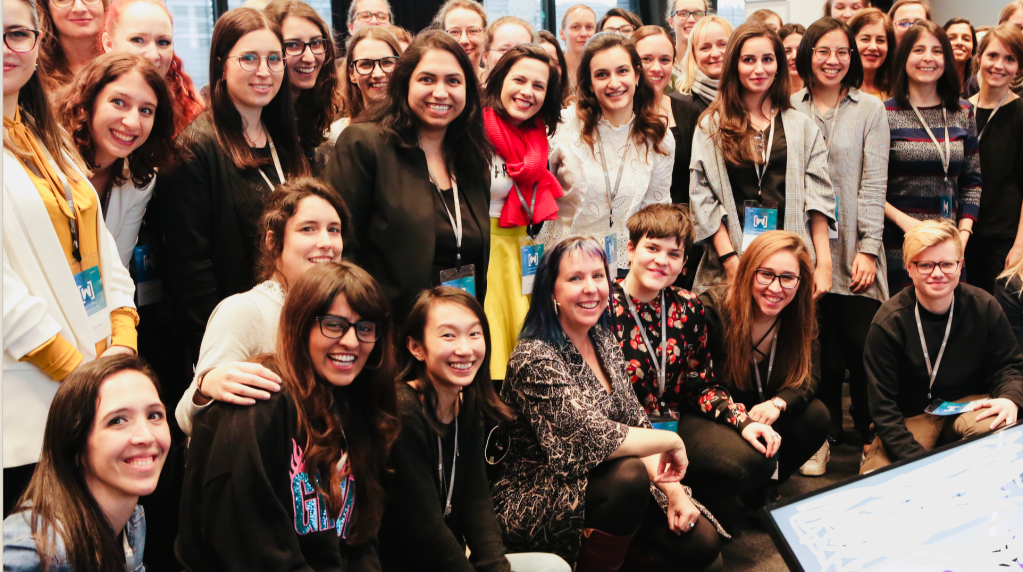
Specialized expertise with arts organizations
With my background as a performer, arts educator, and consultant to organizations like SF Ballet, Sisters in Crime, and the Kenneth Rainin Foundation, I understand the unique challenges arts organizations face—from navigating the tension between artistic tradition and inclusive modern workplaces, to board dynamics, to the specific pressures of mission-driven creative environments.
Because when your people feel valued and supported, innovation thrives, conflict decreases, and retention soars.
Your People Keep Leaving? Here’s Why.
Toxic workplace culture, bad behaviors overriding policy, untrained (often well-intentioned) leaders, and outdated systems that push great people away.
The average cost of replacing an employee is 50–200% of their annual salary—but the real damage runs deeper: lost knowledge, low morale, and a reputation that makes future hiring even harder.
For arts organizations specifically:
The challenges are even more acute. You’re balancing artistic legacy with evolving workplace expectations, managing complex board structures, and often operating on tight budgets where turnover is especially costly. When your artists leave, you lose not just talent—you lose institutional knowledge, donor relationships, and the subtle cultural fabric that makes your organization unique.
Culture Transformation Benefits Everyone
Despite the noise, culture transformation work isn’t political—it’s practical. It’s how you create a workplace where everyone can thrive and contribute their best work. When people feel valued and included, innovation increases, conflict decreases, and your bottom line improves.
This work is both preventive and restorative—helping organizations stop issues before they start while addressing the deeper problems already costing them talent, trust, and time. It’s how we stop the quiet hemorrhaging of employees who leave and brilliant candidates who never even apply.
Why arts organizations need this work:
The creative sector faces unique tensions:
- Structural Challenges:
- Limited HR infrastructure due to nonprofit budgets
- Hierarchical structures from centuries-old European models
- Board governance challenges with donor resistance
- Cultural Dynamics:
- Artistic traditions conflicting with modern inclusive practices
- International workforces with vastly different cultural norms
- Generational divides in training and expectations
- “Paying your dues” culture normalizes problematic behavior
- Mission-driven passion masking workplace dysfunction
- External Pressures:
- Shifting audience and donor expectations for transparency
- Funding requirements prioritizing equity commitments
- Legal protection and risk management
Policy doesn’t change behavior. Policy exists to guide us when problematic behavior occurs, but it doesn’t prevent it and can easily be ignored. That’s why we have to invest in training, tools, and practices that align behavioral expectations with policy. Otherwise, policies are just words—and culture will override even the most well-intentioned and beautiful policies.
Three Ways I Transform Workplace Culture

🌱 Employee Retention Strategies That Work
Turn your organization’s values into measurable, sustainable practices.
I help you:
- Build employee retention policies that reduce turnover.
- Create data-driven DEIJB initiatives that track meaningful change.
- Develop inclusive systems where everyone feels valued.
- Set sustainable and realistic growth that is right for your current and aspirational culture.
- Build step-gaps to stop problematic behaviors, systems, and practices before they escalate.
- For arts orgs: Navigate seasonal contracts, artist hierarchies, and cultures where “passion” has excused poor treatment

🌿 Systemic Change
Uncover and address the root causes of toxic culture limiting growth.
I help you
- Deliver bias interruption, leadership, and bystander training that models real-time solutions.
- Implement equity-minded systems for fair processes and better performance.
- Strengthen collaboration across diverse teams.
- Facilitate mediation and conflict resolution with care.
- Create an accountability culture that values growth mindset over protecting the status quo.
- For arts orgs: Address the tension between preserving artistic integrity and creating inclusive workplaces, navigate board resistance, and redesign outdated hierarchical structures

🌳 Leadership Development
True leadership requires agility, inclusivity, and the courage to evolve.
I help you::
- Build inclusive leadership skills that empower teams.
- Design mentoring programs that amplify more diverse voices.
- Strengthen psychological safety and cultural competency.
- Coach executives through complex organizational change.
- Identify what your employees need to be successful as individuals and teams.
- For arts orgs: Help artistic directors, executive directors, and board members lead through the unique challenges of creative environments
Real Change, Not Checklists
My approach blends joy, growth mindset, neuroscience, and trauma-informed practices to create lasting transformation.
My background: As a professional performer and former arts educator, I bring lived experience of arts culture—both its magic and its challenges. I understand the resistance (“but this is how we’ve always done it”), the real concerns about maintaining artistic excellence while modernizing, and the need to keep finding ways to bridge tradition and agility. You don’t have to choose between honoring your mission and treating people well.
What’s Included:
Core components:
- Organizational development audit
- Recruitment and hiring transformation
- Leadership development and workshops over time
- Policy review and accountability systems
- Ongoing consultation
Additional support for arts organizations:
- Board education on inclusive governance
- Navigating artistic legacy vs. modern expectations
- Assessment of hierarchical structures
- Arts-specific challenges (casting equity, terminology, contracts)
- CA SB 1343 training customized for creative environments
Respectful Workplace Foundations Program – CA SB 1343 Compliance Plus
Many organizations approach CA SB 1343 as a legal checkbox. I approach it as a strategic foundation.
My SB 1343–compliant engagements go beyond minimum required training hours and content to function as a diagnostic and preventative intervention—especially critical in high-trust, high-power, and high-visibility environments like the arts.
This work helps organizations:
- Surface issues leadership may not be aware of
- Identify cultural and structural risk before it escalates
- Build shared behavioral expectations that policy alone cannot enforce
- Reduce exposure to litigation, reputational harm, and costly turnover
What makes this different:
- Custom assessment to surface real, organization-specific issues
- Training that exceeds SB 1343 requirements and reflects real scenarios
- Facilitated sessions for supervisors and staff focused on application, not theory
- Post-training insights that capture employee voice
- Clear, written recommendations leaders can act on
- A foundation for ongoing culture and leadership work
→ Download the one-page overview
→ Download Engagement Tiers & Investment Overview
The Data—and Stories—Speak for Themselves
Full Case Study Preview:
After working with KAMacLean Consulting, one organization increased support of DEIJBA to 91% by Year 3.
One Page PDF Case Study Overview:
Can We Talk About What DEI Isn’t: 5 Myths I Hear All the Time

Debunking the Fear: What DEI(JB) Is Really All About

You Can’t Be Committed To DEIJB and Have a One-Size-Fits-All Approach to How/When We Work
Hiring a Diversity, Equity, Inclusion, & Belonging Consultant
Frequently Asked Questions
READ FAQs
1. Do you work only with arts organizations? No, I work across all industries. While I have specialized expertise with arts organizations (SF Ballet, Sisters in Crime, Kenneth Rainin Foundation), I’ve partnered with tech companies, nonprofits, educational institutions, and more. The principles of creating healthy, inclusive cultures apply everywhere—I understand and specialize in the unique challenges arts organizations face.
2. What’s included in CA SB 1343 harassment prevention training? California requires all employers with 5+ employees to provide harassment prevention training. My approach meets all legal requirements while going beyond compliance—offering interactive practice, real-world applications, and tools people can actually use. This isn’t a check-the-box video; it’s training that builds the foundation for genuine culture change.
3. How do you work with arts organizations specifically? I understand the unique tensions in creative environments: navigating artistic tradition alongside modern workplace expectations, international workforces with different cultural norms, hierarchical structures, generational divides, and the “paying your dues” culture. I help organizations honor their artistic mission while creating healthy, equitable workplaces.
4. What’s the difference between your approach and typical diversity training? Most unconscious bias training makes people aware of bias but fails to change hearts, minds, behaviors, or beliefs. I focus on culture transformation through systemic change that actually shifts how people work together, not just how they think about bias for an hour.
5. How is this different from one-off team-building workshops? I enjoy a fun one-off workshop as a chance to introduce 2-3 concepts to the room. However, real culture transformation requires integrated approaches that address systems, people, and processes over time. If we could solve decades of inequity with a 2-hour workshop, the world would be a much healthier place and I’d be out of a job. I create customized ecosystems of programming that drive lasting impact.
6. What makes your employee retention strategies effective? I focus on root causes – toxic workplace culture, systemic barriers, and leadership gaps – rather than surface-level fixes. Let’s get into the messy problems and find solutions that are actionable, sustainable and can grow over time. Companies with strong culture policies see 50% reduction in turnover because we address what actually makes people leave and create company cultures they want to continue to be part of.
7. Do you provide company culture assessment services? Yes, I start with organizational development audits (DEI surveys, SWOT analysis, recommendations) to identify what’s really happening, then create data-driven solutions. You can’t fix what you don’t measure and understand. Often what leaders believe are the problem are not what is actually impacting morale and folks on the front line – maybe there are different issues at different levels, maybe there is a disconnect in the flow of information – let’s find out and address it.
8. How do you handle difficult people during training? As an experienced mediator with decades of experience, I can often address challenging personalities and workplace conflict resolution in real-time, modeling the very skills I’m teaching while maintaining psychological safety for all participants. If there is more in-depth intervention or coaching needed, I can do that, too. Being an outsider not only offers a less biased take on an organization, but provides the distance needed to avoid being impacted by internal conflict, politics, or retaliation.
9. What services do you offer for remote teams? Remote team management requires different skills than in-person leadership. I provide cultural competency training and psychological safety training specifically designed for hybrid workforces, plus virtual team building that actually creates lasting change. For one client, I built an entire 11-hour asynchronous DEIJB learning platform that includes how to build effective teams, meetings, and programming both online and hybrid – turning remote work into a feature, not a bug.
10. How long does culture transformation take? Sustainable change takes 12-18 months minimum. Anyone promising quick fixes is selling you false hope. Real transformation requires addressing systems, training leaders, shifting policies, and ensuring changes stick over time.
Ready to Stop Losing Good People?
Let’s Create a Workplace Where People Want to Belong
Whether you’re a ballet company, theater, museum, tech startup, Fortune 500, or anywhere in between, we’ll design systems that promote equity and belonging so folks want to stay and grow.
Schedule a free consultation to discuss how we can address your specific culture challenges.
 KAMACLEAN CONSULTING LLC